





In the vast and stunning landscapes of Tsushima, players wield their katana with grace and precision. But as they slice through enemies and explore the rich narrative, a burning question lingers: is Ghost of Tsushima a co-op experience? While the game immerses players in a captivating single-player journey, the allure of teaming up with friends to tackle Mongol hordes is hard to resist.
Imagine galloping through the fields with a buddy, strategizing your next stealthy ambush while sharing a laugh or two. While the game initially focuses on solo adventures, it does offer a unique multiplayer mode that brings a whole new dimension to the experience. So grab your armor and get ready to discover if this epic tale can be shared with a friend—or if it’s best enjoyed solo like a lone samurai.
Overview of Ghost of Tsushima
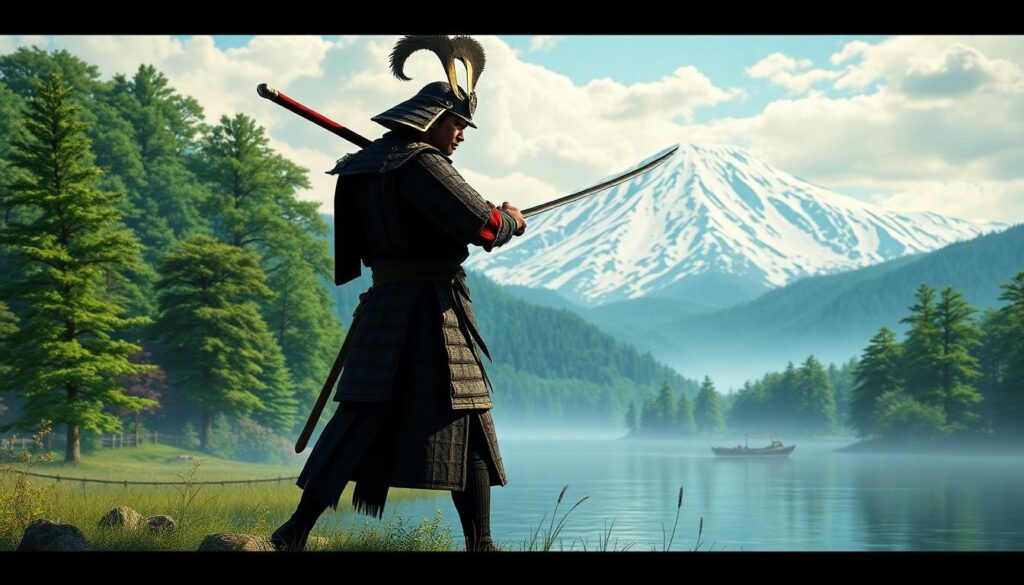
Ghost of Tsushima stands out with its immersive single-player campaign, where players explore beautifully crafted landscapes and engage in strategic combat. The game features Jin Sakai, a samurai warrior, on a quest to save Tsushima Island from Mongol invaders. Players navigate diverse environments, from lush forests to snowy mountains, enhancing the visual experience and gameplay dynamics.
Mechanics play a vital role in gameplay. Players master various combat techniques and utilize stealth elements to defeat enemies. Each encounter presents unique challenges, encouraging players to adapt their strategies. The combat system rewards precision and timing, allowing for thrilling battles against formidable foes.
While the main narrative offers a rich adventure, the addition of a multiplayer mode enhances the experience. This mode allows players to collaborate with friends in various missions, facing off against waves of enemies or completing story-driven tasks together. The cooperative gameplay adds a new layer of strategy and teamwork, appealing to those who enjoy shared experiences.
Customization options for characters and gear provide players with further control over their gameplay. Players can unlock new abilities and equipment, making each character unique to their play style. This feature encourages exploration and experimentation within the game.
Developed by Sucker Punch Productions, the game received critical acclaim for its storytelling, visuals, and gameplay mechanics. Its success has spawned discussions about potential future expansions and sequels. Ghost of Tsushima remains a benchmark for open-world action-adventure games, captivating players both solo and in cooperative settings.
Co-Op Gameplay in Ghost of Tsushima

Ghost of Tsushima includes an engaging cooperative multiplayer mode that enhances the overall gameplay experience. Joining forces with friends allows players to take on missions together, facing challenges that require teamwork and strategy.
Features of the Co-Op Mode
Co-op mode offers unique gameplay mechanics tailored for teamwork. Players can choose from various classes, including Samurai, Hunter, and Ronin, each with distinct abilities. Character customization enhances individuality and lets players develop their combat style. Engaging in cooperative play invites players to strategize, coordinate attacks, and revive fallen teammates. The multiplayer experience also features new storylines and challenges, extending the game’s narrative beyond the single-player journey.
Missions and Objectives
Missions in co-op mode present diverse objectives that keep gameplay fresh. Players tackle story missions that delve into the lore of Tsushima, alongside survival missions that test their combat skills against waves of enemies. Completing challenges rewards players with gear and resources, enhancing their characters. Additionally, special events introduce limited-time missions, further encouraging engagement within the multiplayer community. The cooperative objectives promote collaboration, demanding effective communication and teamwork for success.
Players’ Experience with Co-Op
Co-op gameplay in “Ghost of Tsushima” enhances the experience, attracting players seeking teamwork and strategic collaboration. This mode allows friends to tackle missions together, amplifying the excitement of the game.
Community Feedback
Players appreciated the unique multiplayer features that enrich gameplay. Many fans expressed satisfaction with the variety of classes available, such as Samurai and Hunter. They highlighted how each class brings distinct abilities to the team. Positive comments often reference the thrill of completing missions that require cooperation and coordination. Players noted the engaging storylines woven throughout the co-op missions. Community discussions frequently center on the satisfaction derived from teamwork, emphasizing the shared experiences while overcoming challenges.
Personal Insights
Personal insights often reveal players enjoy exploring different play styles through class selection. Utilizing various abilities opens opportunities for creative strategies in combat. Enhancing customization further allows players to tailor their experience. Many find the co-op missions exhilarating and rewarding, as they present a balanced mix of challenge and fun. Engaging with friends amplifies the immersion, creating memorable moments. The camaraderie built in co-op sessions stands out as a vital element of the game’s appeal.
Comparison with Other Co-Op Games
“Ghost of Tsushima” offers a distinct co-op experience compared to other cooperative games. While titles like “Destiny 2” and “Borderlands 3” focus on loot-driven gameplay, “Ghost of Tsushima” emphasizes narrative and teamwork. Players engage in missions that blend story elements with cooperative strategies, creating a unique combat dynamic.
The game features a class system that allows for diverse play styles. Classes like Samurai, Hunter, and Ronin each bring unique abilities, encouraging collaboration among players. This class diversity differs from games like “Overwatch,” where characters exhibit fixed roles in team compositions. Strategy in “Ghost of Tsushima” hinges on synergy between players’ abilities, enhancing overall team effectiveness.
Missions in co-op mode vary in objectives, relying on both cooperation and individual skill. Unlike “Monster Hunter: World,” where players primarily focus on defeating larger foes, the missions in “Ghost of Tsushima” encompass storytelling and immersive lore. Players experience the history of Tsushima while strategizing against waves of enemies.
Community feedback reveals that players enjoy the camaraderie built during co-op gameplay. Feedback emphasizes the joy of tackling challenges together, whether in completing narrative-rich missions or testing combat skills through survival quests. This sense of community and collaboration sets “Ghost of Tsushima” apart from other co-op experiences.
Gear customization adds another layer to co-op interactions. Players earn resources from completing challenges, enabling them to tailor their equipment to fit various combat styles. This customization element also draws a comparison with other games, highlighting a player’s individual journey within a cooperative framework.
Conclusion
“Ghost of Tsushima” offers a rich experience that resonates with both solo players and those seeking cooperative gameplay. The multiplayer mode adds depth and excitement to the game, allowing friends to tackle challenges together while exploring the beautiful landscapes of Tsushima. With unique classes and engaging missions, players can enjoy a strategic approach to combat that enhances teamwork and camaraderie. This blend of narrative and cooperative elements sets “Ghost of Tsushima” apart, making it a standout title in the action-adventure genre. Whether players prefer the solitary journey of Jin Sakai or the thrill of collaboration, the game delivers an unforgettable experience.