






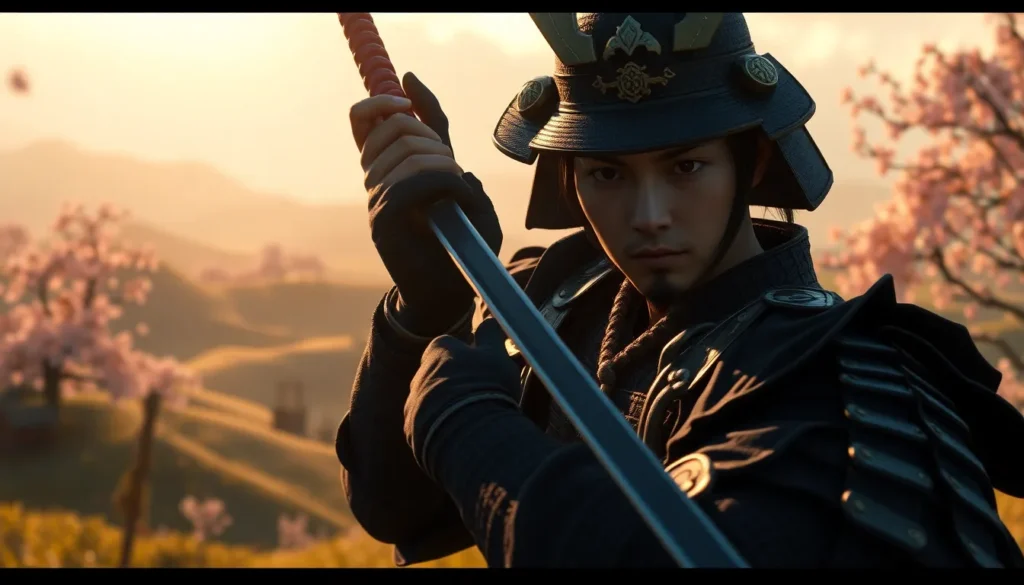
In the world of video games, few titles have captured the heart and imagination quite like Ghost of Tsushima. Imagine a breathtaking landscape of feudal Japan, where every sword clash echoes a deeper narrative of honor, legacy, and survival. At the center of this cinematic wonder is Jin Sakai, a character whose evolution transcends mere pixels. He embodies the struggle between tradition and transformation, and if you think that’s just another cliché, then you’re in for a surprise. Join us as we explore Jin’s extraordinary journey, and why this samurai’s tale still resonates with gamers today.
Overview Of Ghost Of Tsushima

Ghost of Tsushima is not just a game: it’s an immersive experience that transports players to the beautiful yet tumultuous landscapes of Tsushima Island during the Mongol invasion in 1274. Developed by Sucker Punch Productions, this action-adventure game sets the stage for an epic tale steeped in rich lore and breathtaking visuals. Players step into the shoes of Jin Sakai, a samurai caught during historical chaos, who must navigate the challenging terrain of loyalty, duty, and vengeance. With its stunning graphics and engaging combat mechanics, this title has become a hallmark of storytelling in video games, drawing players into a world where choice and consequence shape the narrative.
Character Background: Jin Sakai
Jin Sakai is not your typical samurai. Raised in the ways of bushido, he carries the weight of his family’s legacy on his shoulders. After losing his mentor and guardian, Lord Shimura, during the invasion, Jin’s life takes a dramatic turn. He quickly realizes that the traditional tactics of the samurai may not be enough to combat the brutal Mongol forces. His character arc is a fascinating blend of traditional samurai ideals and the desperate innovations that arise when survival is at stake. As he transitions from a loyal defender of Tsushima to the cunning Ghost, his choices become a mirror reflecting the complexity of a war-torn society.
The Transformation From Samurai To Ghost
Jin’s metamorphosis is one of the most compelling aspects of Ghost of Tsushima. Players witness his internal conflict as he grapples with the essence of what it means to be a samurai.
Key Themes In Jin’s Story
At its core, Jin’s saga weaves a tapestry of resilience, fear, and adaptability. The struggle against the Mongol conquerors doesn’t just test his swordsmanship: it challenges his very identity. This transformation serves as a backdrop for exploration into folklore, mythology, and the spiritual realm that envelop the samurai ethos.
Honor vs. Survival
The crux of Jin’s journey can be summarized as a battle between honor and survival. He wrestles with the ethics of adopting new methods, becoming a ghost, to protect his home. This conflict is universal, forcing players to question their own values as they guide Jin through morally gray territory.
Identity And Cultural Heritage
As a descendant of a proud samurai lineage, Jin’s transformation isn’t just personal: it embodies the struggle of a culture facing extinction. His choices impact not only himself but also the collective memory of the samurai. The game intricately ties Jin’s personal journey to the larger theme of cultural preservation.
Combat Mechanics And Gameplay Style
The combat in Ghost of Tsushima is as engaging as its story. Players are treated to a fluid blend of stealth, strategy, and visceral action. Each encounter feels dynamic and requires tactical thinking. Utilizing a combination of katana strikes and stealth tactics, Jin’s gameplay allows for multiple approaches to eliminate enemies, catering to different player styles. The varied stances Jin learns throughout his journey enhance his adaptability, reflecting his internal struggle. Engaging in combat against the fierce Mongolian warriors showcases both his physical prowess and the ethical dilemmas he navigates. The breathtaking visuals are complemented by sound design that draws players further into the experience, making each fight feel like a dance rather than mere violence.
The Impact Of Jin Sakai On Players
Jin’s journey resonates with players on multiple levels. Not only does he challenge notions of honor and tradition, but he also invites reflection on personal ethics and modernity in a historical context. Gamers often find themselves deeply invested in his transformation, considering their choices and the consequences faced by Jin. Also, the rich narrative promotes discussions about cultural representation in video games, while making a broader statement about the adaptability of identity in the face of modern challenges. Jin Sakai has become a symbol of resilience, making his impact felt not just within the game, but also in conversations about narrative depth in the gaming industry.