


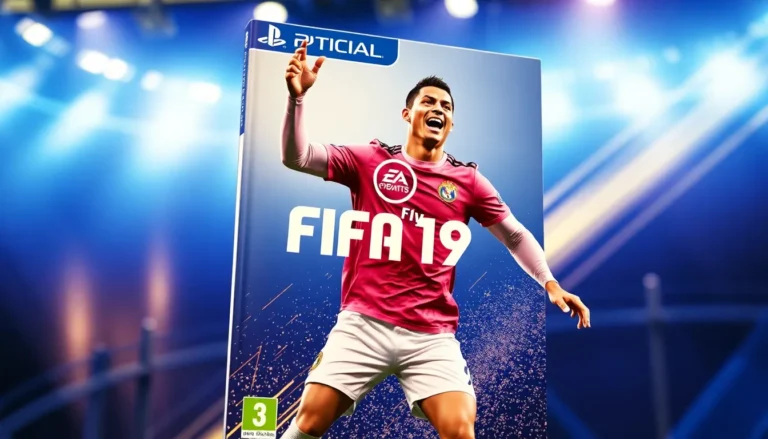


Picture this: it’s 1993, and the world is just getting a taste of the internet. Shiny new game consoles beckon from shelves, and everyone is buzzing about a fresh title that’s about to shake the sports gaming world. Enter FIFA 1, where football and pixels merge in ways no one ever imagined. This iconic game didn’t just start a franchise: it kicked off a cultural revolution that continues to reverberate across generations. So, grab your controller and get comfy as we whisk you through the fascinating journey of FIFA 1, a game that changed everything.
The Origins of FIFA 1
The journey of FIFA 1 began at Electronic Arts (EA), a company not too shy about shaking up the gaming realm. Development started in the late ’80s when sports games were still finding their footing. At that time, football games were often rudimentary and lacked the engaging elements that players craved. Enter EA Sports, determined to change the game, literally and figuratively.
The first FIFA title was released in December 1993, setting itself apart under the deft guidance of producer and visionary, Michael Mann. Realistic gameplay, officially licensed teams, and even endorsements from major leagues were groundbreaking elements for that era. These features turned FIFA 1 into more than just a game, it became the birthplace of an unparalleled franchise.
Gameplay Mechanics and Features
FIFA 1 aimed to replicate the beauty of football while ensuring an accessible experience for newcomers and seasoned gamers alike. The gameplay was straightforward: players could select from various teams, each consisting of real names, a revolutionary feature that many football fans cherished. In stark contrast to its predecessors, FIFA 1 introduced an isometric view that offered a wider perspective of the pitch, enhancing strategy and tactics.
Dribbling, passing, and shooting mechanics were simple yet effective, allowing players to pull off jaw-dropping goals with relative ease. This balance made it appealing for casual players while still providing enough challenges to keep hardcore gamers on their toes. It didn’t hurt that matches played out with realistic physics, which allowed players to experience that oh-so-satisfying ‘swish’ when scoring a goal.
Graphics and Sound Design
Sure, FIFA 1 may not hold up to today’s jaw-dropping graphics standards, but at the time, the visuals were nothing short of revolutionary. The game featured vibrant 16-bit graphics that brought the pitch to life. Players sported different kits, each meticulously crafted to reflect their real-life counterparts.
Sound design also played a crucial role in FIFA 1’s success. The upbeat soundtracks paired with sound effects like cheering crowds created an immersive atmosphere. Can you imagine celebrating a last-minute win without the roaring fans? EA understood that football’s spirit isn’t just about the game, but about the fans, and they nailed that vibe beautifully.
Cultural Impact and Legacy
FIFA 1 was more than a game: it became a cultural phenomenon. Remember a time when your friends huddled around a TV, controllers in hand, shouting at each other? FIFA 1 created that space, establishing itself as a party game staple. With friends or family, it became a way to bond, compete, and celebrate favorite teams, a ritual that continues to this day.
Also, FIFA 1 laid the groundwork for how sporting games would evolve. It awakened an appreciation for sports simulation that permeates the gaming industry. The introduction of licensed teams and players set a precedent followed by many other franchises, and soon, football enthusiasts worldwide found themselves representing their teams in a digital arena.
Evolution of the FIFA Franchise
FIFA 1 kicked off a series that would undergo tremendous evolution. Following its success, each subsequent title introduced innovations, from improved graphics to more realistic gameplay mechanics. FIFA 2 and beyond kept the essence of the original while adding depth, like the famous multiplayer modes, allowing for thrilling competitions among friends.
Over the years, EA poured resources into refining the gaming experience, expanding to include various leagues and even player-specific skills. The innovations transformed FIFA into a powerhouse, yet its roots forever remind players of the charming simplicity that started it all.
Community and Competitive Scene
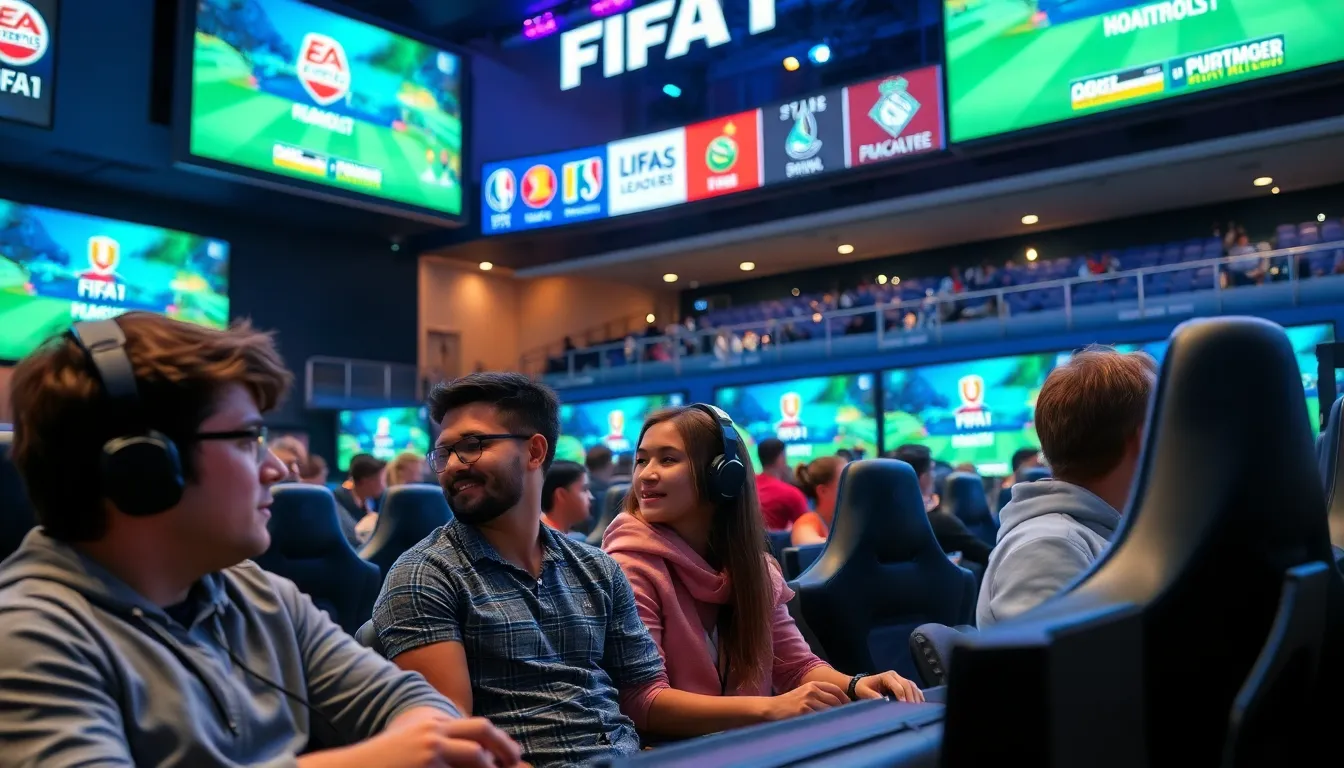
The FIFA community has blossomed from a few friends in living rooms to an expansive global network. FIFA 1 laid the initial groundwork for what would become a rich tapestry of competitive play. Enthusiasts began hosting local tournaments, paving the way for international competitions. Fast forward to today: FIFA esports events like the FIFA eWorld Cup garner millions of viewers, turning players into celebrities.
Also, online gaming has revolutionized how fans engage with FIFA. Connect with strangers or friends worldwide, each eager to showcase their skills. The community continues to thrive, offering tips, sharing tactics, and celebrating each other’s victories, further solidifying FIFA’s status as more than just a game.
The Future of FIFA Games
As technology evolved, so did FIFA. The franchise’s future is bright, with EA continually innovating to cater to changing player expectations. Upcoming titles promise to embrace cutting-edge technology with enhanced graphics and AI-driven experiences. Imagine ultra-realistic playing environments where virtual reality might soon replace the simple joystick interface.
Also, EA is committed to addressing community feedback. With ongoing updates to mechanics and cultural representations, the franchise seeks to be more inclusive and diverse. This attention to player sentiment ensures that FIFA maintains its place at the forefront of sports gaming.