






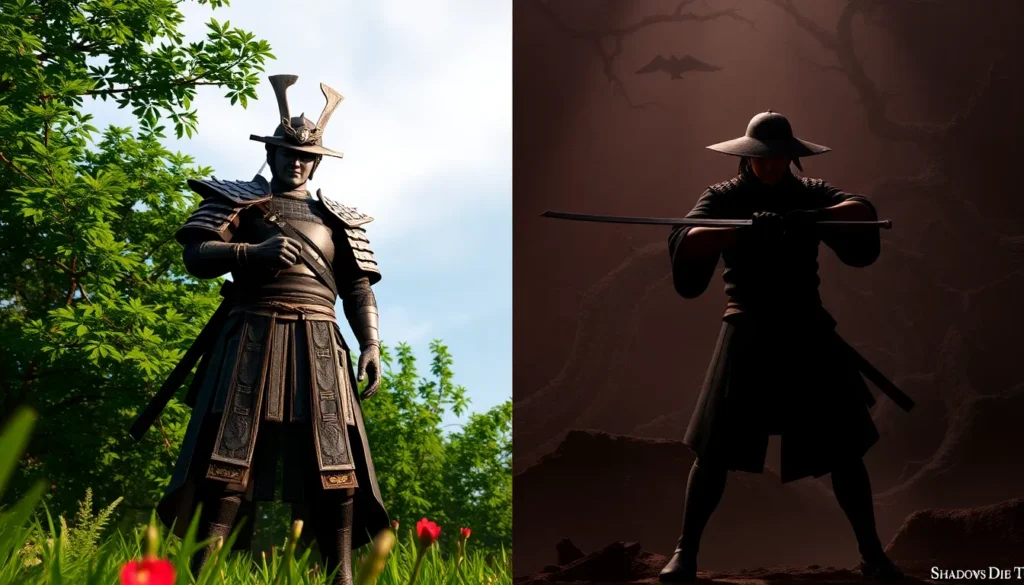
In the battle of samurai dominance, two titles rise above the rest: Ghost of Tsushima and Sekiro: Shadows Die Twice. Both games offer enthralling experiences steeped in rich lore, breathtaking landscapes, and intense combat. But let’s face it, deciding which one deserves a spot on your gaming pedestal can feel like choosing between sushi and sashimi, equally enticing, yet different flavors. So buckle up, grab your katana, and let’s slice through the details to see which game truly reigns supreme.
Game Overview
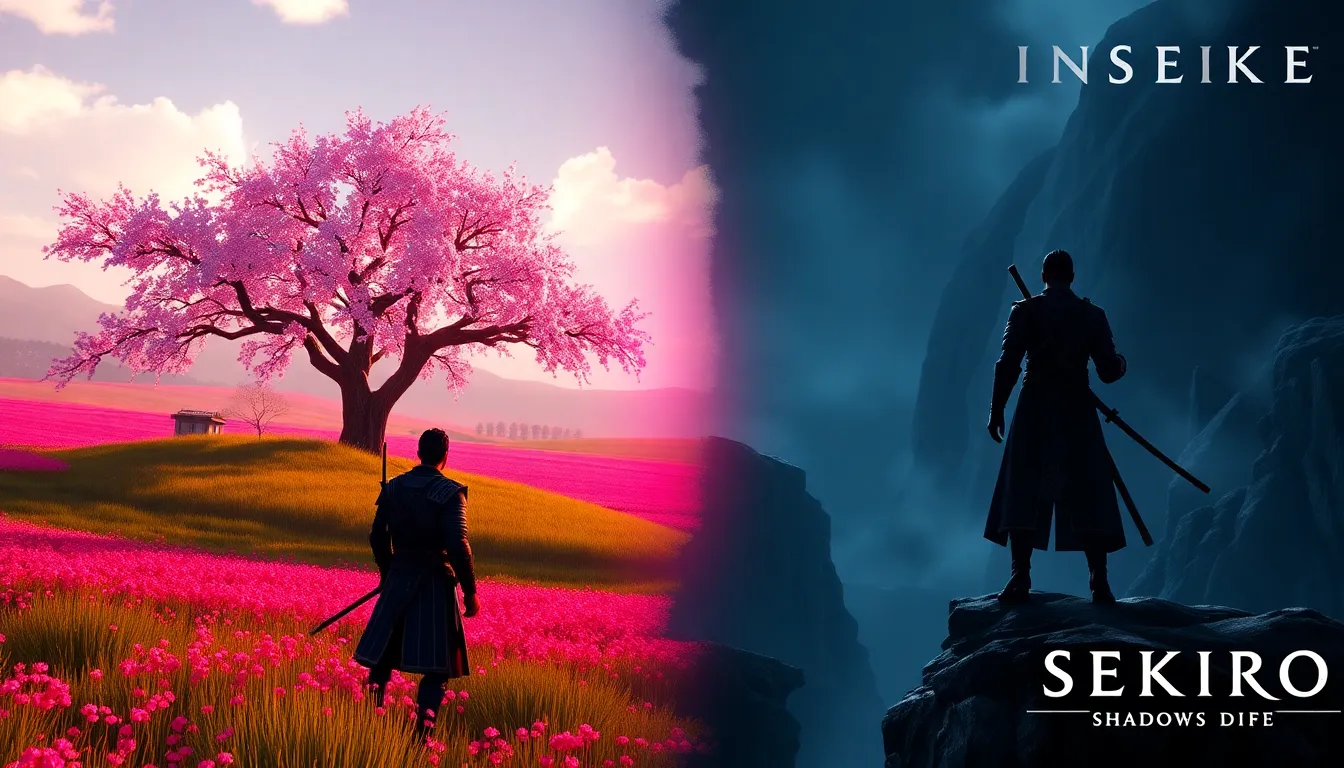
Ghost of Tsushima and Sekiro: Shadows Die Twice are both action-adventure masterpieces that transport players to feudal Japan, yet they bring distinct experiences to the table. Developed by Sucker Punch Productions, Ghost of Tsushima leans heavily into an open-world design where players can explore lush landscapes, meet intriguing characters, and take part in side quests. Conversely, Sekiro, crafted by FromSoftware, adopts a more linear approach while incorporating a challenging combat system that tests players’ skills and strategies. Both games excel at immersing players into their unique narratives, making them hard to compare directly. Yet, they each deliver an unforgettable journey that’s difficult to put down.
Setting and Storyline
Ghost of Tsushima presents a captivating tale set during the Mongol invasion of Tsushima Island in 1274. Here, players embody Jin Sakai, a samurai warrior striving to protect his homeland. The narrative weaves themes of honor, tradition, and sacrifice. Players witness Jin’s transformation from a code-bound samurai to a cunning ghost, embracing unconventional methods in his fight against the invaders.
On the other hand, Sekiro draws players into a dark yet beautiful rendition of Sengoku-era Japan, where they walk in the shoes of a shinobi named Wolf. His quest for revenge centers around rescuing his kidnapped lord and confronting powerful foes. Themes of loyalty and resurrection are prevalent, highlighted through immersive storytelling and engaging cutscenes. The historical elements are intermingled with mythical aspects, leaving players with a sense of mystery that fuels their desire to explore further.
Gameplay Mechanics
Combat Systems
The combat systems in these games are where the gloves truly come off. Ghost of Tsushima invites players to rely on a mixture of stealth, swordplay, and a variety of mystical abilities. The combat feels fluid, with players free to switch between stances and use gadgets that enhance their fighting style. Engaging in duels against fierce foes creates an exhilarating rhythm, allowing players to master their skills without feeling overwhelmed.
Conversely, Sekiro’s combat demands a greater level of precision and timing. The game utilizes a posture system where attacking and deflecting is pivotal. Players must learn to read enemy cues and react accordingly, leading to a more challenging experience. The death mechanic also plays a huge role, urging players to adapt their approach after each encounter. This mechanic alone fosters a sense of growth and progression as they learn the intricacies of combat.
Exploration and World Design
When it comes to exploration, Ghost of Tsushima shines with its breathtaking open world. Players can traverse expansive landscapes filled with vibrant flora, stunning vistas, and historical landmarks. The game encourages exploration with dynamic weather changes and day-night cycles that paint the world in an ever-shifting palette. Collectibles and hidden secrets await players at every turn, making the journey as rewarding as the combat.
In contrast, Sekiro opts for a more directed approach. While the world is undeniably intricate, encouraging players to discover hidden paths and shortcuts, it lacks the broad open-world feel of Ghost of Tsushima. The level design is meticulous, guiding players through a series of interconnected zones. Wall-running and grappling allow players to explore vertically, an innovative feature that sets it apart. Both games offer distinct exploration experiences, yet the sheer scale of Ghost of Tsushima’s world entices adventurers seeking expansive landscapes.
Visuals and Sound Design
In terms of visuals, both Ghost of Tsushima and Sekiro deliver stunning graphics that showcase the beauty of feudal Japan. Ghost of Tsushima is particularly notable for its vivid colors and artistic design, reminiscent of classic Japanese paintings. Each location is crafted with care, evoking an emotional connection as players traverse the tranquil fields or engage in intense battles.
On the sound front, Ghost of Tsushima features a sweeping orchestral score that complements its epic narrative. Music plays a vital role in elevating the experience, with traditional Japanese instruments setting the tone during emotional and action-packed moments. Meanwhile, Sekiro’s sound design leans into the tension of combat, combining an atmospheric score with the clang of swords and the grunts of warriors. The subtle yet effective audio cues enhance immersion, making every encounter feel palpable.
Critical Reception and Player Feedback
Both games have garnered significant acclaim, yet their receptions highlight their unique strengths. Ghost of Tsushima has been praised for its stunning visuals and engaging story, earning it numerous awards, including Best Art Direction at The Game Awards 2020. Players relish its exploration, with many citing the immersive world and captivating side quests as standout features.
On the flip side, Sekiro received accolades for its intense gameplay and innovative combat mechanics, cementing its status as a challenging yet rewarding title. Critics lauded its unique approach to storytelling and the seamless integration of traditional Japanese culture. Fans of difficult games revel in the challenge provided by Sekiro, with many considering it a masterclass in action games.