





Gianni Infantino, the FIFA president, is a name that sparks a lot of conversation, and not just in the locker rooms of the world’s biggest football leagues. From his rather humble beginnings to sitting at the helm of global football governance, his journey is as intriguing as a last-minute penalty shootout. Whether you’re a die-hard football fan or someone who thinks a ‘goal’ is something you get on a report card, there’s no denying that Infantino’s reign has been anything but boring. Buckle up as we jump into the life and legacy of this controversial figure in football leadership.
Early Life and Career
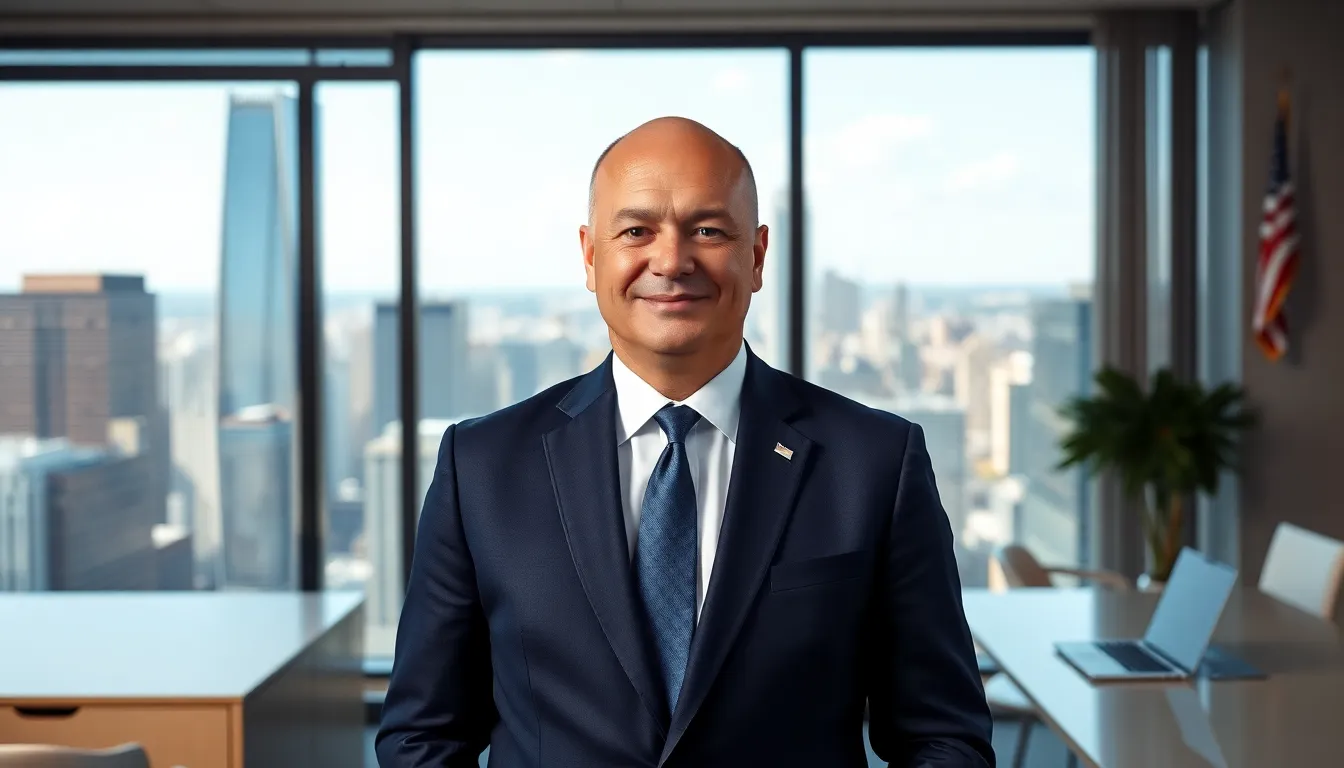
Gianni Infantino was born on March 23, 1970, in Brig, Switzerland. He grew up in a multicultural environment, with Italian parents. This rich backdrop would shape his understanding of football’s universal appeal. Infantino pursued a law degree at the University of Fribourg. Early on, he got involved in football administration, becoming a part of the Swiss Football Association in 2000, where his journey truly began.
By 2004, he played a pivotal role in organizing the UEFA Euro tournaments, showcasing his knack for creating powerful networks and smooth operations. He became UEFA’s director of legal affairs by 2009 and shortly thereafter took on the role of general secretary in 2016. His meticulous attention to detail served him well, gaining respect throughout the European football community. It was clear that Gianni Infantino was on a path to something bigger.
Rise to FIFA Presidency
Infantino’s ascent to FIFA’s presidency in 2016 wasn’t merely a result of his credentials: it was also a response to the urgent need for reform within FIFA. Following a turbulent period marred by scandals, the organization required a leader who could restore its reputation. In his first speech as president, he emphasized transparency and integrity, terms that had taken a backseat in previous administrations.
His election was met with both hope and skepticism. Infantino campaigned on a platform promising to expand the World Cup from 32 to 48 teams, ensuring that more nations could experience the thrill of competing on football’s grandest stage. The reformist zeal marked a shift in FIFA’s operations, aimed at winning back trust from fans and stakeholders alike.
Key Policies and Initiatives
Under Infantino’s leadership, FIFA launched several key policies and initiatives intended to reshape the world of football. One notable initiative is the introduction of the FIFA Forward Programme, designed to provide greater financial support to football associations across all levels. This initiative aims at creating stronger infrastructures in countries that have historically struggled with resources.
Also, Infantino has championed the cause for women’s football, allocating more FIFA funds to elevate the women’s game. He has also been a vocal advocate for introducing technology into the game, such as the VAR (Video Assistant Referee) system, which has become a contentious yet transformative tool in modern football. These initiatives demonstrate his commitment to fostering inclusivity and innovation, redefining how football is experienced across the globe.
Controversies and Criticisms
Even though his ambitious goals, Infantino’s presidency isn’t without its share of controversies. Critics have argued that his expansion of the World Cup may dilute the tournament’s prestige. The decision to include more teams has sparked debates about whether quality is being sacrificed at the altar of inclusivity.
Besides, allegations related to corruption and governance issues have shadowed his tenure. Some skeptics question his close ties with controversial football figures. While Infantino remains adamant about transparency, the murky waters of football politics continue to challenge his leadership. His optimistic declarations are often met with raised eyebrows, forcing him to navigate a complex landscape where trust remains fragile.
Impact on Global Football
Gianni Infantino’s impact on global football is evident in several areas beyond policy and governance. His leadership has enhanced FIFA’s visibility, as he often engages in public speeches and forums promoting the values of unity and fair play. He has traveled the globe, emphasizing football as a vehicle for social change.
His push for youth development programs also deserves mention. Infantino believes that nurturing young talent is crucial for the future of football. Through partnerships with various federations, programs aimed at developing grassroots football have been implemented in many regions, aiming to bridge the gap between potential and opportunity. These initiatives resonate, as more young players step onto fields with dreams of following in the footsteps of their football idols.
Future Vision for FIFA
Looking ahead, Infantino has outlined a vision that strives for inclusivity and global growth in football. His aspiration is not merely about expanding tournaments: it involves democratizing access to the sport. The importance of leveraging football as a social tool is emphasized. He envisions a world where football can foster reconciliation and unity in diverse communities.
Also, Infantino is keen to incorporate sustainability into FIFA’s blueprint. Addressing climate change through initiatives that promote eco-friendly practices in football venues reflects his awareness of global issues. Eventually, his future vision attempts to blend tradition with innovation, creating a legacy that transcends his time at FIFA.