



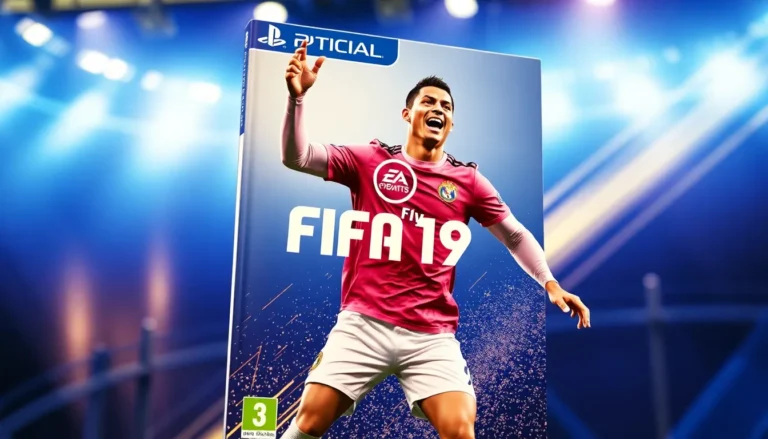

When it comes to FIFA covers, they’re more than just flashy artwork; they’re a badge of honor for gamers and soccer fans alike. Each year, the cover stars represent not only the game but also the pulse of the sport. From iconic players to stunning designs, these covers spark excitement and debate among fans. Who wouldn’t want to see their favorite player immortalized on their console?
Overview Of FIFA Covers
FIFA covers serve as iconic representations of the franchise, blending art with the spirit of soccer. Each cover year captures players and themes that resonate with fans worldwide.
Evolution Over The Years
FIFA covers evolved significantly since the franchise’s inception in 1993. Early editions featured minimal graphics and basic player imagery. By the early 2000s, the artwork became more vibrant, incorporating dynamic poses of athletes. Recent covers emphasize realism, showcasing high-resolution player portraits that reflect their athleticism. Furthermore, diverse athletes, including both men and women, occupy prominent positions, reflecting a broader representation of the sport. This evolution mirrors technological advancements and shifting cultural values within the gaming community.
Significance Of The Cover Artwork
Cover artwork plays a crucial role in marketing FIFA games. Eye-catching designs attract consumers while establishing a connection to the sport’s emotional resonance. Each cover tells a story, highlighting players who represent skill, triumph, and passion. Fans often engage in debates over chosen cover stars, creating a sense of community and rivalry. Additionally, covers can symbolize cultural shifts, showcasing emerging talents and diversifying the representation of global soccer. This narrative aspect enhances player loyalty, making covers a vital part of the FIFA franchise’s identity.
Iconic FIFA Covers

FIFA covers highlight both artistic innovation and cultural representation. Each edition captures the enthusiasm surrounding the sport, reflecting players and moments that resonate with fans.
Classic Editions
Classic FIFA covers introduced gamers to the franchise’s iconic aesthetic. In 1994, the cover featured legend Roberto Baggio, showcasing a minimalist design that focused solely on the player. Continued releases spotlighted stars like Thierry Henry in 2003, emphasizing realism and energy. Notable covers often coupled athlete imagery with bold colors, creating a strong visual brand. These editions established a standard, blending eye-catching graphics with a celebration of soccer excellence.
Recent Releases
Recent FIFA covers showcase a diverse range of talent and innovation. The 2020 edition marked the franchise’s evolution, featuring Liverpool’s Virgil van Dijk and Chelsea’s Eden Hazard. Emphasis on high-resolution graphics captures detailed expressions and movement. Each new cover not only highlights featured players, but also introduces unique design elements, such as dynamic backgrounds that reflect in-game action. Inclusion of female athletes, like Sam Kerr in FIFA 23, signals a commitment to diversity and representation, connecting with a broader audience.
Design Elements of FIFA Covers
Design elements of FIFA covers capture the essence of the game and resonate with fans. Various artistic choices bring these covers to life, reflecting soccer culture and the personalities involved.
Artwork Inspiration
Artwork for FIFA covers draws inspiration from the sport’s vibrancy and the emotional connection fans share with players. Designers incorporate bold colors and striking imagery to echo the energy of soccer matches. Influential moments in the sport often serve as a backdrop for cover designs, creating a narrative that resonates with players and fans. Iconic stadiums and dynamic action shots enhance this narrative. Recent trends show that incorporating local cultural elements also increases relatability for specific markets.
Use of Players and Themes
Selecting players for FIFA covers plays a crucial role in conveying the game’s spirit. Each cover showcases stars who demonstrate skill and sportsmanship, appealing to diverse audiences. Themed designs often highlight major soccer events, such as world tournaments or cultural celebrations. Inclusion of both male and female athletes in recent covers represents a broader commitment to diversity, allowing fans to connect with their favorite players on a personal level. Themes evolve to reflect changing societal values, ensuring that every cover tells a relevant, engaging story in the soccer community.
Reception and Impact
FIFA covers generate significant discussion and excitement among fans.
Fan Reactions
Fans express strong opinions about cover stars, often debating player selections each year. Enthusiasm for the chosen athletes can spark heated discussions on social media platforms. Notably, some players become fan favorites, leading to a sense of pride among supporters. Gamers frequently share their reactions, with many eagerly anticipating cover reveals during annual announcements. Community events often center around cover releases, creating opportunities for fans to connect and celebrate shared interests.
Influence on the Gaming Industry
FIFA covers have a substantial influence on the gaming industry. Artwork selection serves as a marketing tool, enticing new players while retaining existing fans. Strong visual branding contributes to the franchise’s reputation, helping FIFA maintain its status as a leading sports game. Increased representation of diverse athletes reflects broader societal trends, encouraging other games to adopt similar approaches. Ultimately, the evolving designs of FIFA covers inspire creativity within the gaming sector, promoting innovation and engagement across the player base.
Conclusion
FIFA covers represent a vibrant intersection of art and sport that resonates deeply with fans around the world. They capture the essence of soccer while celebrating the athletes who inspire millions. The evolution of cover designs reflects changing cultural values and the growing diversity within the sport, making each release a significant event in the gaming community. As players and fans engage in lively discussions about their favorite cover stars, these artworks foster a sense of belonging and rivalry. The impact of FIFA covers extends beyond marketing; they tell compelling stories that connect players to the game, ensuring their place as a vital part of the FIFA franchise’s legacy.