







Imagine galloping across the stunning landscapes of Tsushima, katana in hand, grappling with morality and honor. You’re not just playing a game: you’re thrust into the very heart of a samurai’s struggle. Does Ghost of Tsushima give players the thrill of choice? Spoiler alert: it sure does. Sit tight as we investigate into the heroic journey of Jin Sakai, examine the weight of his decisions, and uncover whether this stunning title truly has multiple endings or if it’s just a beautiful facade.
Understanding The Storyline Of Ghost Of Tsushima
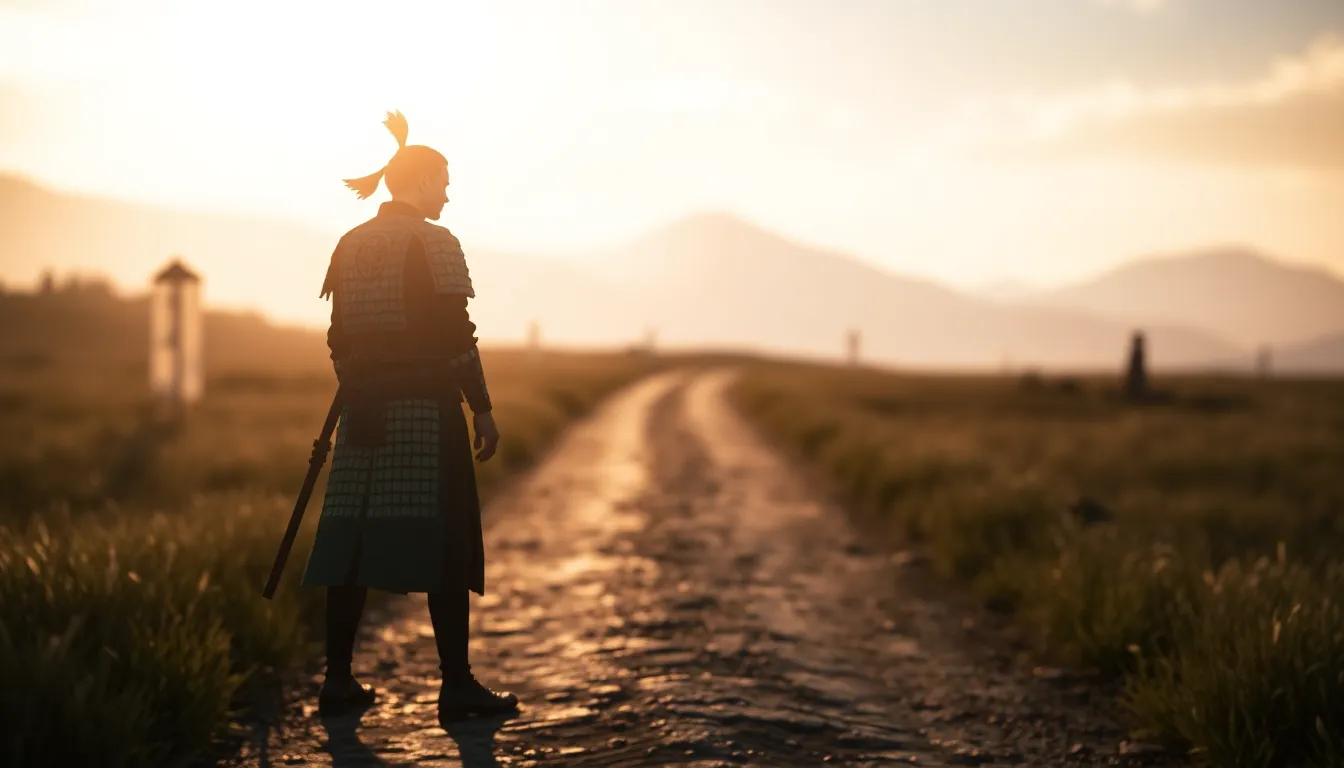
The journey begins in 1274, where Japan faces an onslaught from the Mongol Empire. Players step into the shoes of Jin Sakai, a samurai warrior determined to protect his homeland. Throughout the game, Jin evolves not just as a fighter, but as a character wrestling with his identity amidst the chaos of war.
The Journey Of Jin Sakai
As Jin embarks on his quest, the stakes skyrocket. His uncle, a seasoned samurai, becomes a pivotal figure, providing guidance but also setting rigid expectations about honor and tradition. This dynamic drives the narrative and challenges players to truly consider their choices. Should one remain loyal to the samurai code, or adapt to the shadowy methods required to defeat a relentless foe?
Key Choices That Influence The Game
Ghost of Tsushima immerses players in a rich tapestry of moral dilemmas. Each choice shapes Jin’s path, leading to various consequences that affect not just his character but the fate of Tsushima itself. From deciding whether to spare an enemy’s life to embracing underhanded tactics, every action reverberates throughout the storyline.
The Concept Of Honor And Betrayal
The game intricately weaves the themes of honor and betrayal into its narrative. Players must navigate these themes as they guide Jin through his transformation, will he uphold the samurai tradition or abandon it in the face of overwhelming odds?
How Decisions Impact Endings
Choices aren’t just whimsical: they forge pathways, eventually steering Jin’s fate. Two divergent routes emerge, one rooted firmly in the samurai’s honor, the other in the ruthless effectiveness of the Ghost persona. These key decisions significantly influence how the game culminates, setting the stage for multiple endings that resonate with players long after they’ve set down the controller.
Exploring The Two Main Endings
After all the choices and dilemmas, players find themselves at a crossroads, leading to two distinct conclusions based on the path they’ve taken.
Ending One: The Path Of The Samurai
In this ending, players can choose to align with the samurai code to protect their honor, striving to remain true to the teachings of Jin’s uncle. This scenario portrays an idealistic conclusion, where traditional values triumph, albeit at a significant personal cost.
Ending Two: Embracing The Ghost
Conversely, embracing the Ghost persona allows for a more pragmatic approach to survival. In this ending, Jin rejects the samurai code, presenting a darker, yet powerful, resolution that highlights the harsh realities of war. This choice resonates deeply, particularly given the radical transformation of Jin’s character across the narrative.
Analyzing The Implications Of Each Ending
Both endings invite players to reflect on the ramifications of their choices, evaluating not just how the story wraps up, but what it reveals about their moral compass.
Player Reception And Interpretations
Player reactions span a broad spectrum, with some appreciating the complexity of character development while others express a longing for additional options. This disparity fuels discussions about player agency and storytelling in video games. Eventually, how players interpret Jin’s choices speaks to their values and philosophies, marking an enriching experience beyond mere pixels on a screen.