







In a world flooded with video game artwork, the Ghost of Tsushima poster stands as a masterpiece that captures not just attention but admiration. It’s not just a canvas filled with colors: it tells a story of honor, bravery, and the beauty of ancient Japan. Whether you’re a fan of the game or an art enthusiast, the allure of this poster is undeniable, leaving many wondering: what secrets does it hold beneath its striking surface? Join us as we jump into the intricacies of the Ghost of Tsushima poster and explore what makes it a quintessential piece of art.
The Art Behind The Poster
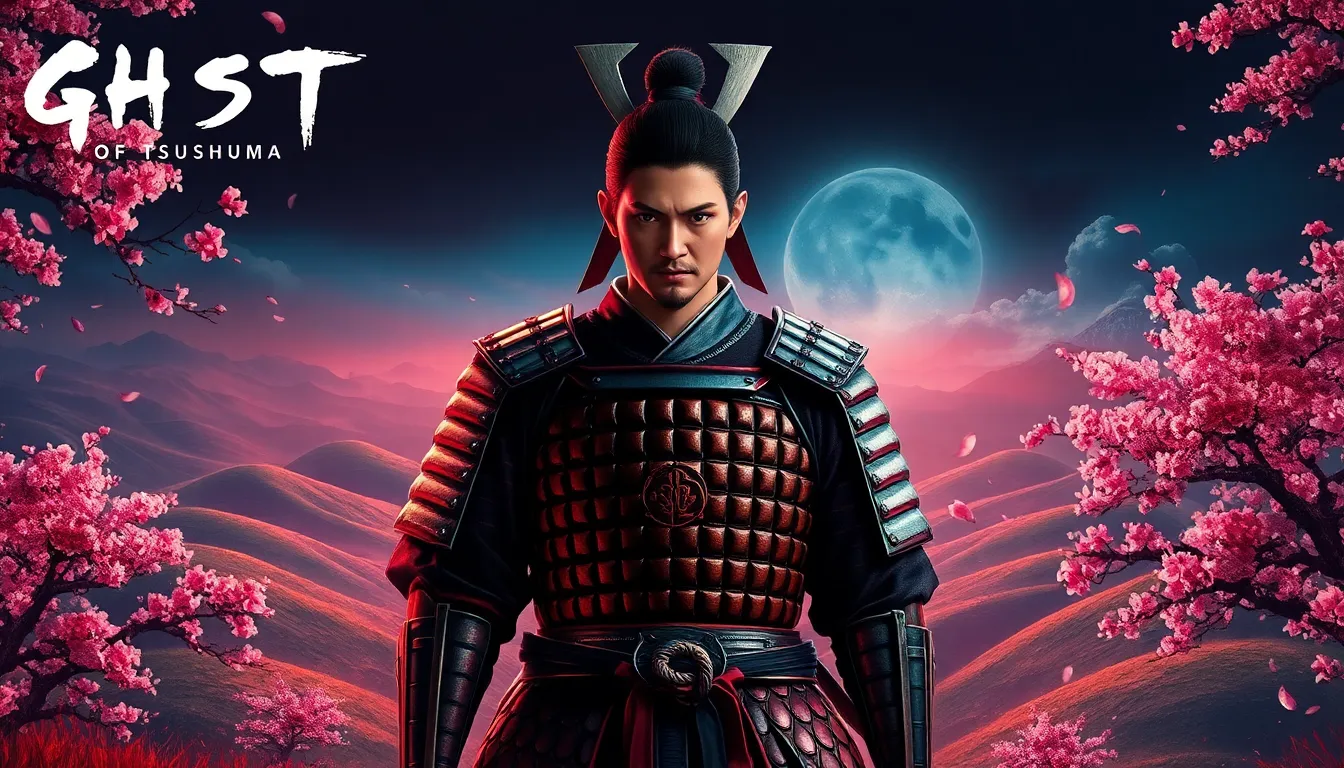
The Ghost of Tsushima poster is more than just a promotional tool: it is a work of art that encapsulates the game’s essence. Initially, one is drawn to the vibrant colors that seem to leap from the canvas.
Color Palette and Symbolism
Rich hues of red and dark blue dominate the scene, symbolizing conflict and loyalty, stark reminders of life and death interwoven throughout samurai lore. The contrasting colors evoke powerful emotions, immersing viewers in the narrative at a glance.
Character Design and Representation
Central to the poster is Jin Sakai, portrayed not merely as a warrior but as a symbol of resilience and honor. His design reflects traditional samurai armor while incorporating elements that hint at his internal struggles. Subtle details, such as his facial expression, convey determination mixed with a hint of vulnerability, making him relatable.
Landscape and Setting Elements
The lush landscapes of Tsushima are not mere backgrounds: they are integral to the story. Rolling hills and cherry blossom trees frame Jin’s journey, underscoring the beauty and peril of his environment. The attention to detail in the landscape transports viewers directly into the game’s world, enhancing the overall emotional appeal.
The Impact of Typography
Typography can often be the unsung hero in visual design, and the Ghost of Tsushima poster is a fine example of this. The title is striking yet elegant, reflecting the balance between strength and grace inherent in samurai culture. The font choice hints at traditional Japanese calligraphy, harmonizing perfectly with the overall aesthetic.
Using typography that resonates with the themes allows viewers to connect more deeply with the piece. The title isn’t just words: it’s a doorway into the soul of the game, intriguing potential players and captivating current fans alike.
Cultural References and Inspirations
Diving into the cultural variables within the poster, one uncovers a blend of history, myth, and fantasy that resonates through its design. The representation of samurai ethics and aesthetics showcases a deep respect for Japanese culture.
Reception of the Poster among Fans
When it debuted, the poster sparked enthusiastic reactions across forums and social media. Fans celebrated its detailed artwork and how it represented the game’s core themes. Many interpreted elements differently, showcasing just how multidimensional the poster is.
Comparison with Other Game Posters
Compared to other video game posters, the Ghost of Tsushima artwork stands out due to its artistry. Many game posters follow templates of vibrant action or character-focused designs, neglecting cultural depth. Here, but, both narrative and artistry coexist, setting a new standard for video game marketing materials.
Influence on Marketing and Branding
The Ghost of Tsushima poster has impacted not just fans but the broader marketing strategies within the gaming industry. By focusing on visual storytelling rather than traditional promotional tactics, it shifted the narrative around what game posters could achieve.
This groundbreaking approach influenced other titles, prompting a wave of creative designs that emphasize emotional connection over mere advertising. The success of the poster serves as a reminder that art, when infused with purpose, can captivate audiences in profound ways.